
The Essentials of Civil Engineering Equipment: Essential Civil Engineering Tools
- S.C.

- 2 days ago
- 3 min read
Civil engineering projects demand precision, efficiency, and safety. To achieve these goals, having the right tools and machinery is crucial. Over the years, I have seen how the proper selection and use of essential civil engineering tools can make a significant difference in project outcomes. Whether you are working on infrastructure, water supply systems, or mining operations, understanding the core equipment involved is key to success.
Essential Civil Engineering Tools for Every Project
When starting a civil engineering project, the first step is to gather the right tools. These tools help with surveying, excavation, construction, and finishing tasks. Here are some of the most important ones:
Theodolites and Total Stations: These are precision instruments used for surveying and measuring angles. They help in mapping out the land and ensuring structures are built in the correct locations.
Levels: Automatic and laser levels are used to establish a horizontal plane. This is essential for grading and ensuring foundations are level.
Compactors: These machines compress soil and other materials to create a stable base for construction.
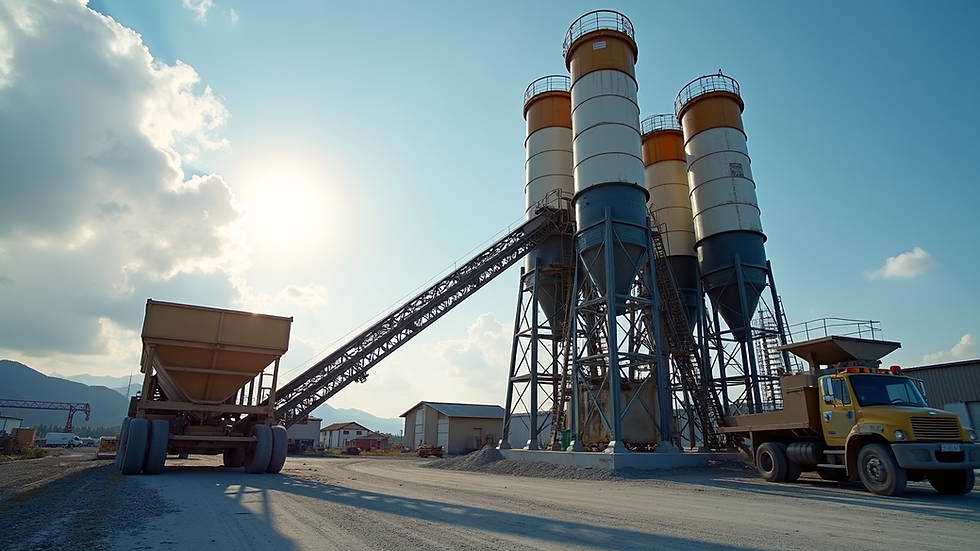
Concrete Mixers: Mixing concrete on-site ensures fresh and consistent material for foundations, columns, and slabs.
Excavators and Backhoes: These are versatile machines used for digging trenches, foundations, and moving large amounts of earth.
Cranes: Essential for lifting heavy materials and equipment to various heights on a construction site.
Each tool has a specific role, and using them correctly improves efficiency and safety. For example, using a total station for surveying reduces errors compared to manual methods. Similarly, compactors ensure the soil is stable enough to support heavy structures.

What is Equipment in Civil Engineering?
Equipment in civil engineering refers to the machinery, tools, and devices used to carry out construction and infrastructure projects. This includes everything from hand tools like hammers and shovels to large machines like bulldozers and cranes. The choice of equipment depends on the project size, type, and location.
For example, in road construction, graders and asphalt pavers are essential. In water supply projects, pumps and pipe-laying machines are critical. The right equipment ensures that tasks are completed on time and meet quality standards.
Using modern equipment also improves safety. Machines reduce the need for manual labour in hazardous conditions. They also increase productivity by speeding up tasks that would take much longer by hand.
Key Features to Look for in Civil Engineering Equipment
When selecting equipment, I always focus on a few key features to ensure reliability and performance:
Durability: Equipment must withstand harsh environments and heavy use. Look for machines made with high-quality materials and robust designs.
Ease of Maintenance: Machines that are easy to service reduce downtime. Check for availability of spare parts and simple maintenance procedures.
Efficiency: Energy-efficient equipment lowers operating costs and environmental impact.
Safety Features: Modern equipment should include safety guards, emergency stops, and ergonomic controls.
Versatility: Equipment that can perform multiple tasks offers better value.
For example, a multi-purpose excavator with quick-attach tools can handle digging, lifting, and grading. This reduces the need to rent or buy additional machines.
How to Maintain Civil Engineering Equipment for Longevity
Proper maintenance is essential to keep equipment running smoothly and avoid costly breakdowns. Here are some practical tips I recommend:
Regular Inspections: Check machines daily for signs of wear, leaks, or damage.
Scheduled Servicing: Follow manufacturer guidelines for oil changes, filter replacements, and other routine tasks.
Clean Equipment: Remove dirt and debris after use to prevent corrosion and mechanical issues.
Operator Training: Ensure operators know how to use equipment correctly to avoid misuse and accidents.
Record Keeping: Maintain logs of maintenance activities and repairs to track equipment health.
By investing time in maintenance, companies can extend the life of their equipment and improve project reliability.

The Role of Technology in Modern Civil Engineering Equipment
Technology has transformed civil engineering equipment in recent years. Innovations like GPS, drones, and automation have improved accuracy and efficiency.
GPS and GNSS: These systems enable precise positioning for surveying and machine control.
Drones: Used for site surveys, inspections, and monitoring progress from above.
Automation: Machines with automated controls reduce human error and increase productivity.
Telematics: Remote monitoring of equipment performance helps with maintenance planning and fleet management.
Adopting these technologies can give companies a competitive edge by reducing costs and improving project timelines.
Choosing the right civil engineering equipment is a critical step in any project. It ensures work is done safely, efficiently, and to the highest standards. By understanding the essential tools, maintaining them properly, and embracing new technologies, companies can achieve better results and build lasting infrastructure.
If you want reliable, high-performance machinery from trusted suppliers in Türkiye and Europe, consider partnering with experts who offer clear processes and dedicated support. This approach helps you focus on your core work while ensuring your equipment needs are met without hassle.




Comments